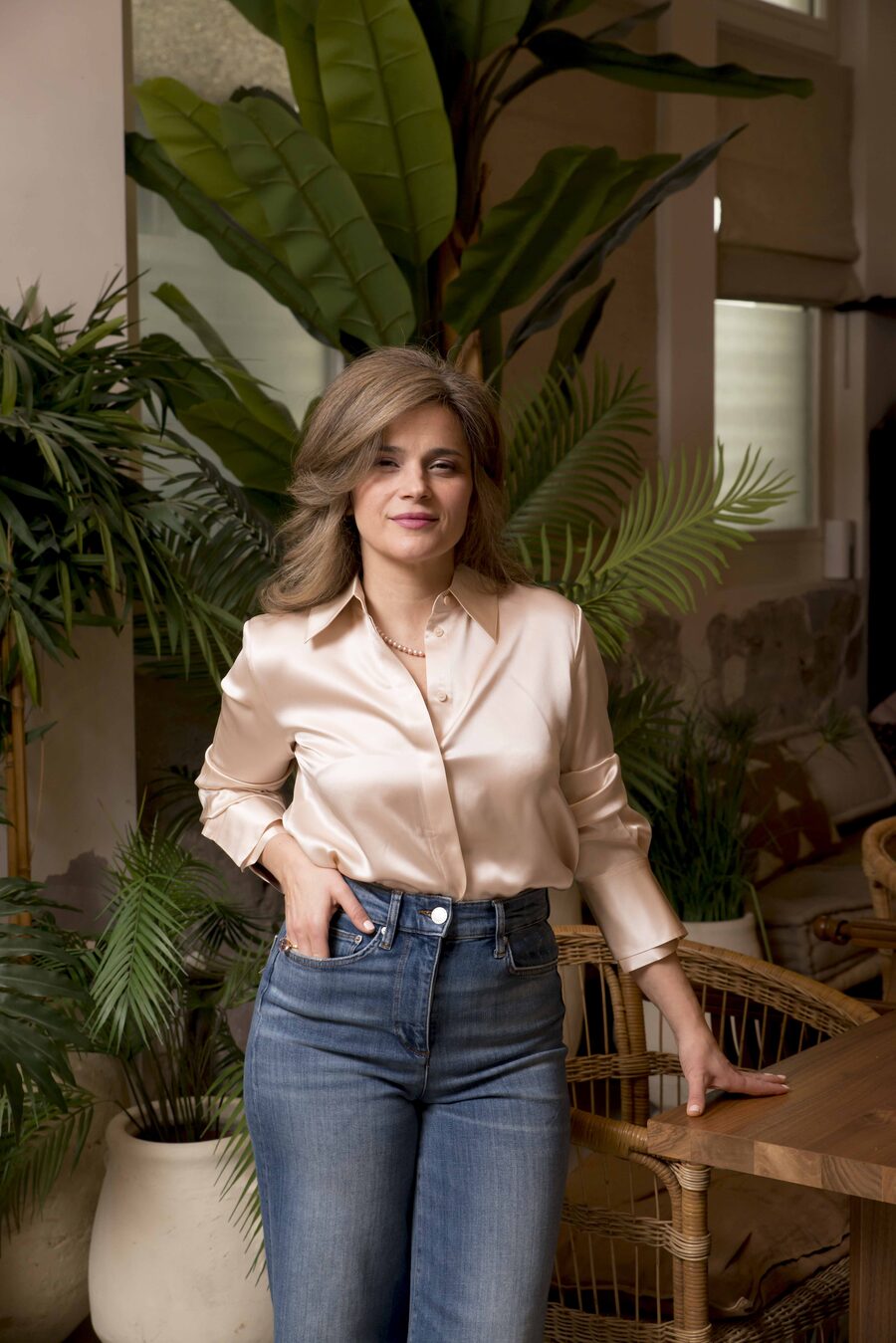
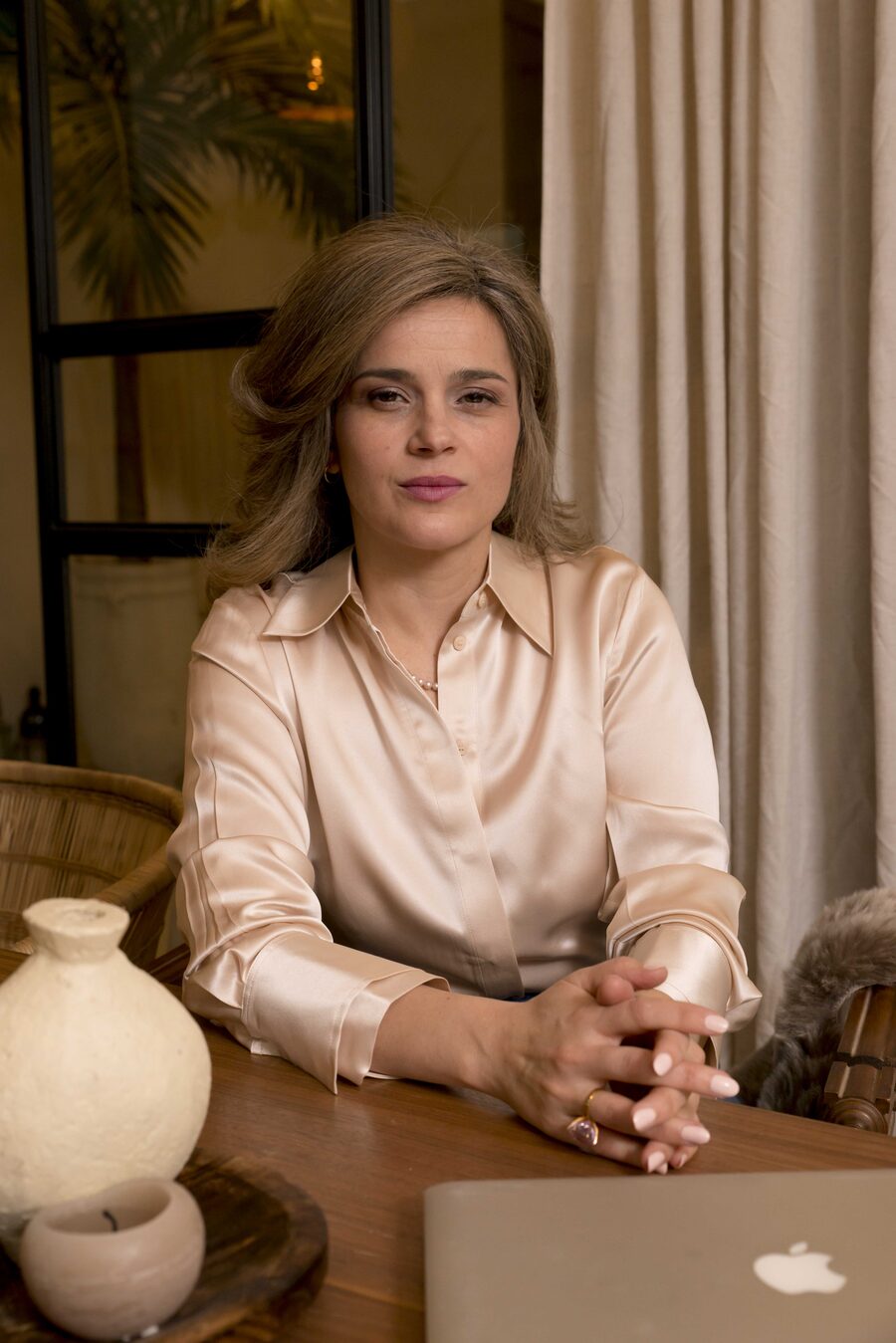
Diane Neto
Senior Programme Manager · PMO Lead · Chief of Staff · Executive Business Partner
Oxford Saïd · McKinsey Forward · ENEB Dual MBA in Project Management · MBA in Team Management & Leadership
I work at the intersection of executive leadership and operational delivery. My career has spanned some of the world's most demanding organisations — Citibank Europe plc, Booking.com, VEON, Bunge, Morgan Stanley, PricewaterhouseCoopers LLP, Greenpeace International, the Global Reporting Initiative, the Financial Conduct Authority, and the European Commission — across financial services, FinTech, telecoms, media, and government, in Amsterdam, London, and Toronto.
The title on my badge has sometimes been Executive Assistant or Executive Business Partner. The work has consistently been that of a Senior Programme Manager or Chief of Staff. I have chosen to build my career at the intersection of strategic executive partnership and operational programme delivery — because that is where the most consequential work happens.
What I have come to understand is that these two modes are not in tension — they are complementary. Executive support demands speed, instinct, and the ability to influence without authority — reading the room, choosing the right words, and making things happen through relationships rather than process. Programme management demands the opposite: patience, structure, and the discipline to slow down enough to see what is coming before it arrives. The leaders I have worked with best are the ones who needed both in the same person. That is what I bring.
I founded Opus in 2013 as a professional practice — delivering senior programme management and executive business partnership on a referral-only basis to high-profile clients across financial services, media, government, and the third sector.
Discipline is not a practice. I walk into complexity and bring order to it — not because I was asked to, but because it's intrinsic.
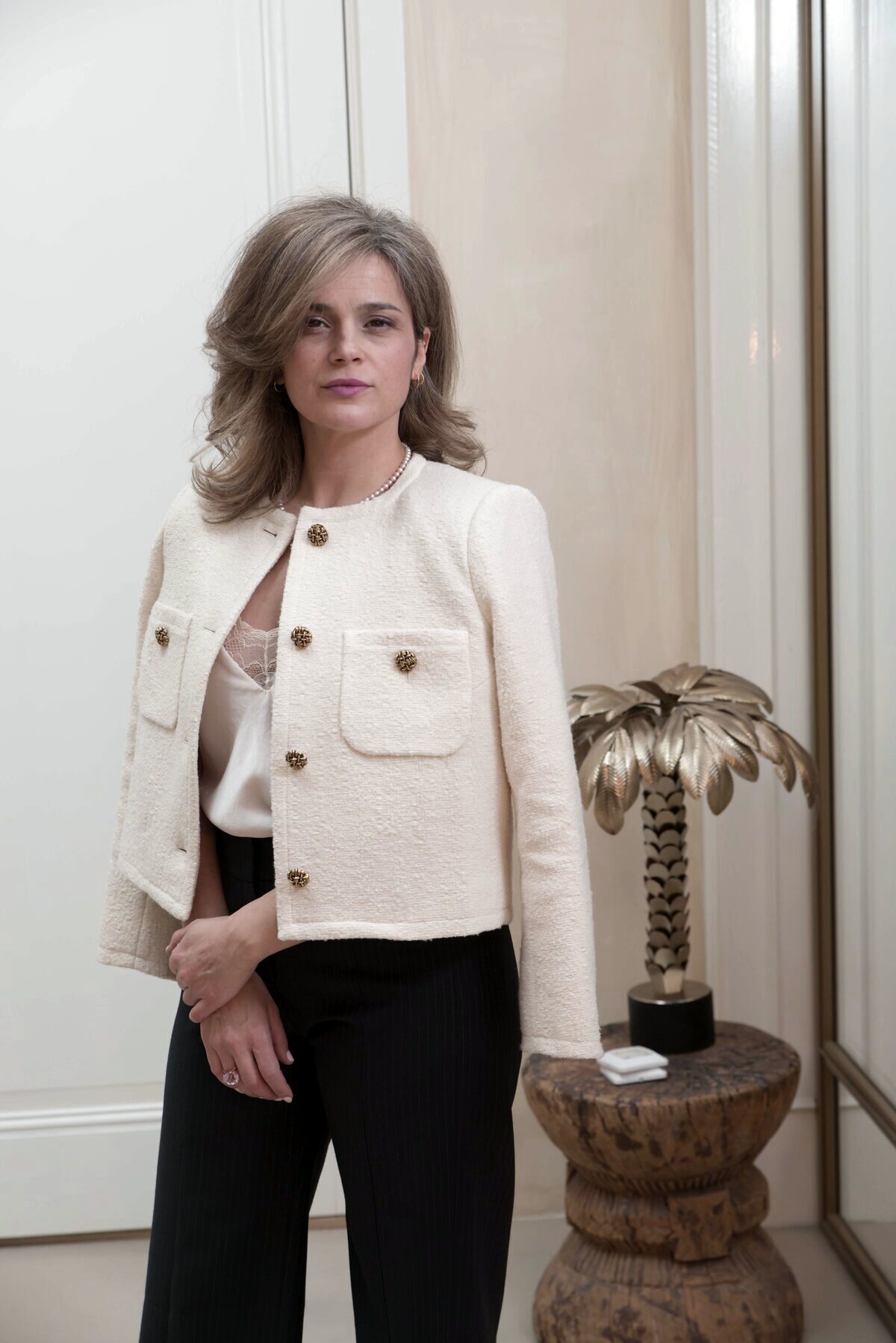
She makes the impossible possible.
Proactive, and always ready to take the right initiatives.
She knows how to put a house in order.
Executive support demands speed, instinct, and influence without authority. Programme management demands patience, structure, and the discipline to see what is coming before it arrives. The leaders I have worked with best needed both in the same person. Every engagement I take on is built on that understanding — and on the academic rigour of Oxford Saïd, McKinsey Forward Leadership Programme, and a Dual MBA.
Opus exists to be that capability: a partner that thinks like a strategist, works like a precision instrument, and holds the line so you don't have to.
Four programmes. Each one chosen deliberately — to sharpen a different dimension of the work I do.
A rigorous dual MBA combining end-to-end project management methodology with the science of building and leading high-performance teams. The academic foundation of everything I deliver operationally.
Oxford's research-led programme in leadership strategy, change management, and organisational design — covering how leaders navigate ambidexterity, build high-performance systems, and lead with authentic purpose under complexity.
McKinsey's practitioner programme in structured problem-solving, analytical decision-making, and communicating for impact — the toolkit that gives every programme I run its clarity of thinking and precision of output.
Senior programme management and executive business partnership delivered with precision, discretion, and impact. Available for permanent roles and senior consulting engagements through Opus — Programme Management Consultancy (est. 2013).
On the work. On leadership. On what it actually takes to hold complexity together.
Something I have been thinking about.
Executive assistant work and programme management are often seen as completely different skill sets. And in many ways they are.
One demands speed. You are reading the room in real time, influencing without authority, choosing your words carefully because the wrong ones at the wrong moment can undo a week of work. The written output is the briefing note that gets read in 90 seconds. The verbal output is the sentence that redirects a conversation before it goes somewhere it should not.
The other demands patience. You slow down deliberately. You map dependencies, anticipate risks, build the governance structure that catches problems before they become crises. The output is the RAID log nobody wants to write but everyone is grateful for at 11pm the night before a board meeting.
Most people are good at one.
I have spent a decade learning to hold both — and to know which one the moment requires.
That is not a compromise. That is a capability.
In the work.
Open to senior permanent roles and consulting engagements · Amsterdam · Hybrid
Begin the conversation